A briefing for people who want to learn, not a course for sale.

These guides describe the EASA system in general, and they say when the United Kingdom or the FAA does something else. They mark figures that you should confirm. They do not quote a price.

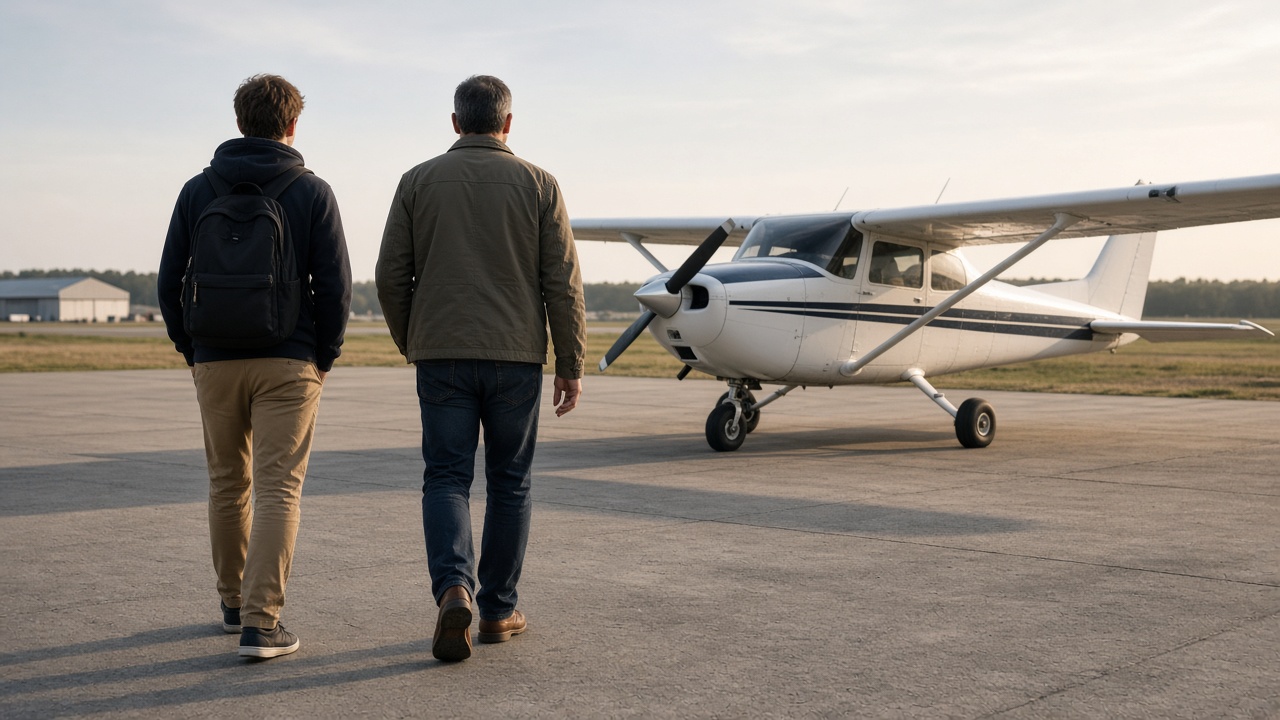
  1. A student pilot and an instructor, seen from behind, walking across an airfield apron towards a white single-engine high-wing training aeroplane in soft morning light
    01 How to become a pilot Most people start by deciding whether they want to fly for themselves or as a career, then train under one authority’s rules. In EASA states that means a light, private, or professional aeroplane licence, a medical, theory exams, flight training, and a skill test.
  2. An open blank logbook, an aviation headset, sunglasses and a plain card on a wooden table by a window overlooking an airfield with a light aircraft
    02 Licence types: LAPL, PPL, CPL and ATPL These four names are the main aeroplane licences in the EASA system. A licence is the permission to act as a pilot at a certain level. A rating is the extra permission to use that licence in a particular aircraft, at night, or in cloud.
  3. A calculator, an open notebook, a pen and a headset on a desk, with a white high-wing training aeroplane parked outside the window
    03 What pilot training costs There is no honest single price for learning to fly. A useful quote lists the hours it assumes, the aircraft, what is excluded, and what happens if you need more time. This page lists the pieces. It does not invent a total.
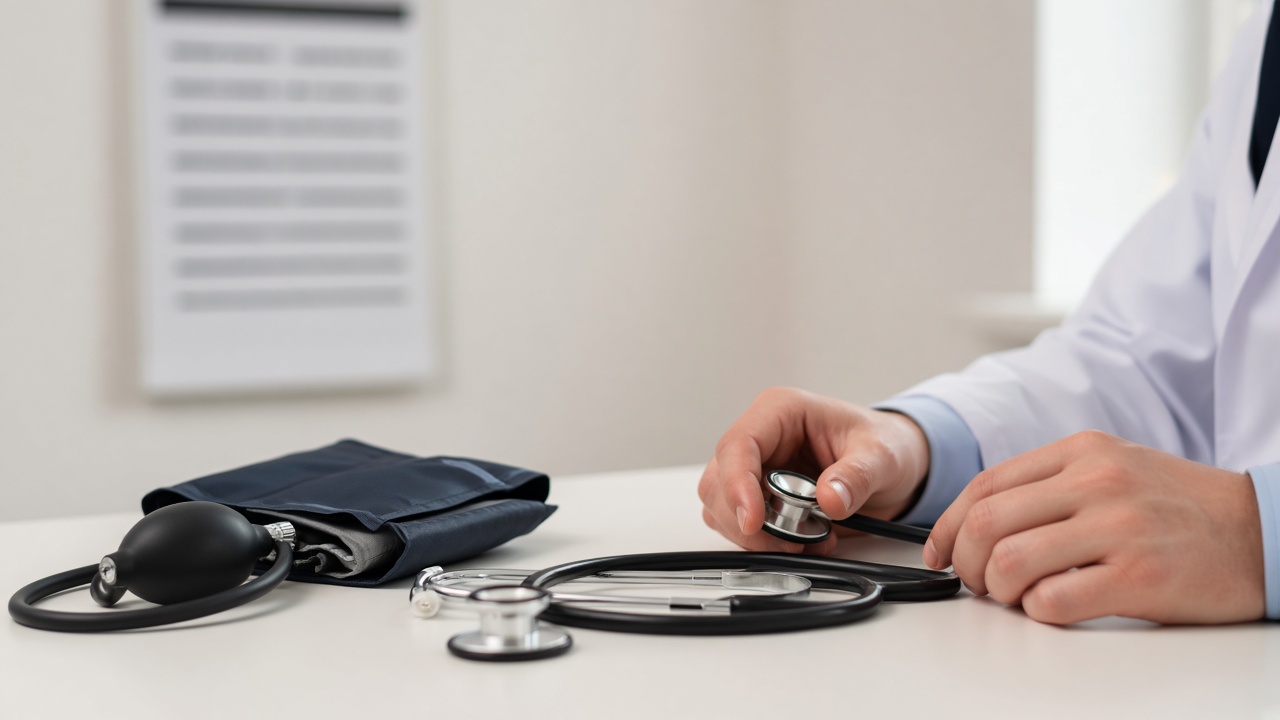
  4. A doctor's hands holding a stethoscope at a desk beside a blood pressure cuff, with a blurred eye chart on the wall of a bright examination room
    04 Medical requirements You need a medical certificate that matches the licence. In the EASA system that is an LAPL medical, a Class 2, or a Class 1. Book it before you pay for a long course. This page is not medical advice and it does not list who will pass.
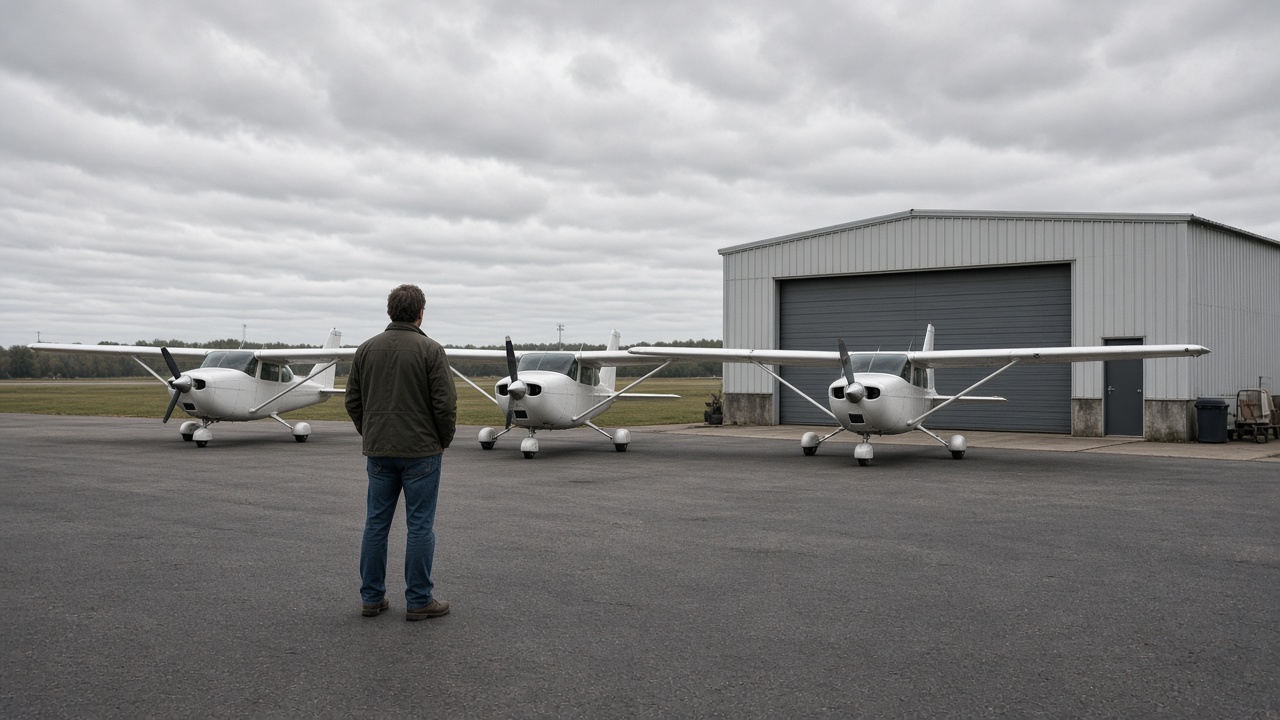
  5. A person seen from behind looking at three white training aeroplanes parked outside a flight school hangar under an overcast sky
    05 Choosing a flight school A useful school is one approved for the licence you want, in the state that will issue it, with aircraft that actually fly and a contract you can leave. Use the questions here on any organisation, including the ones in our directory.
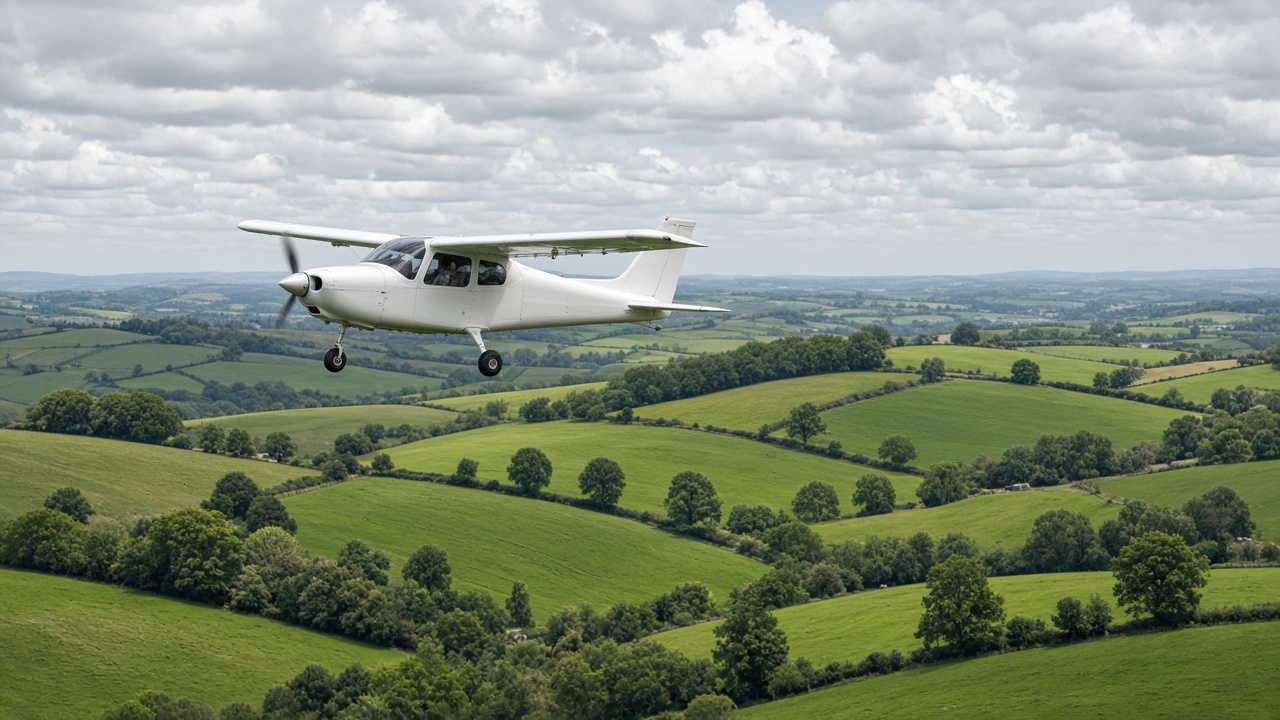
  6. A white light aeroplane flying low over green countryside with hedgerows and rolling fields under a cloudy sky
    06 UK CAA pilot licensing The UK Civil Aviation Authority issues its own pilot licences. They use familiar names, and they are not EASA licences. Since October 2025 the UK no longer issues new LAPL(A)s, and its PPL hour minimum now differs from EASA’s.
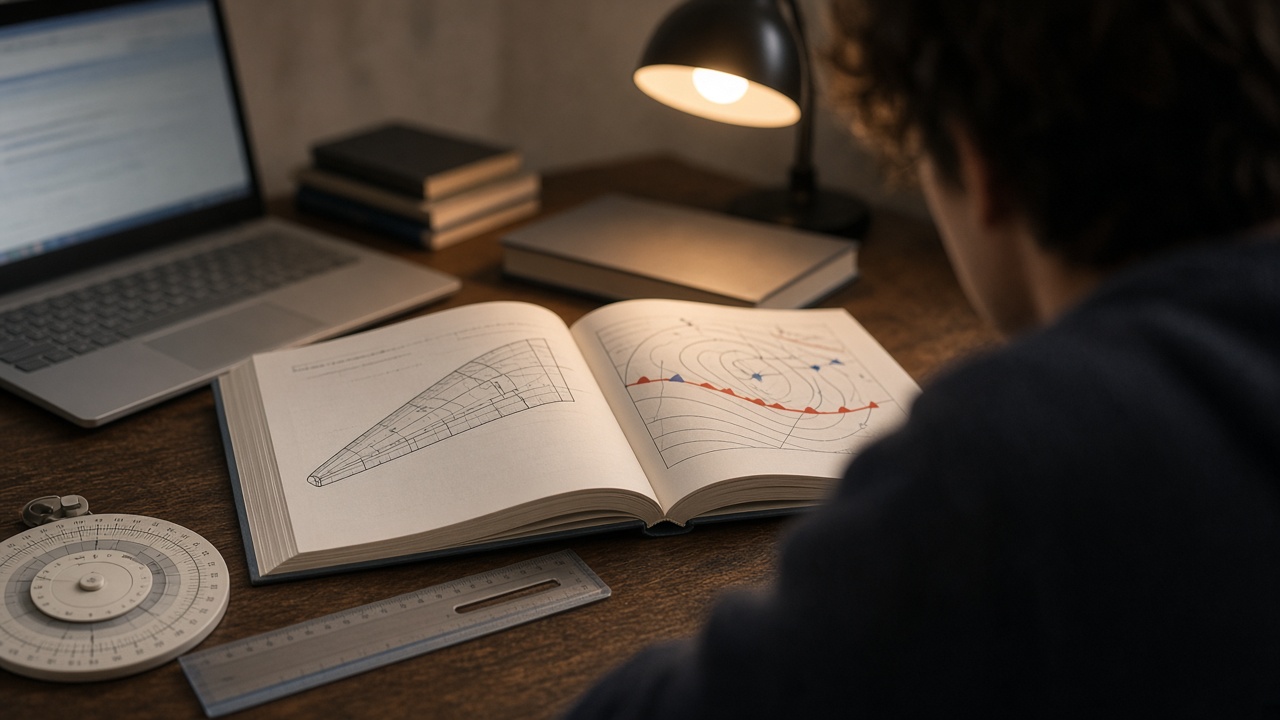
  7. A student seen over the shoulder studying an open textbook with wing and weather-front diagrams, beside a laptop, a flight computer and a ruler under lamp light
    07 EASA ATPL theory exams Airline transport theory is a set of examined subject groups, not one exam. The list below is the commonly published EASA aeroplane syllabus. The number of papers, the pass mark, and the time limit on a sitting belong to the authority that will examine you.
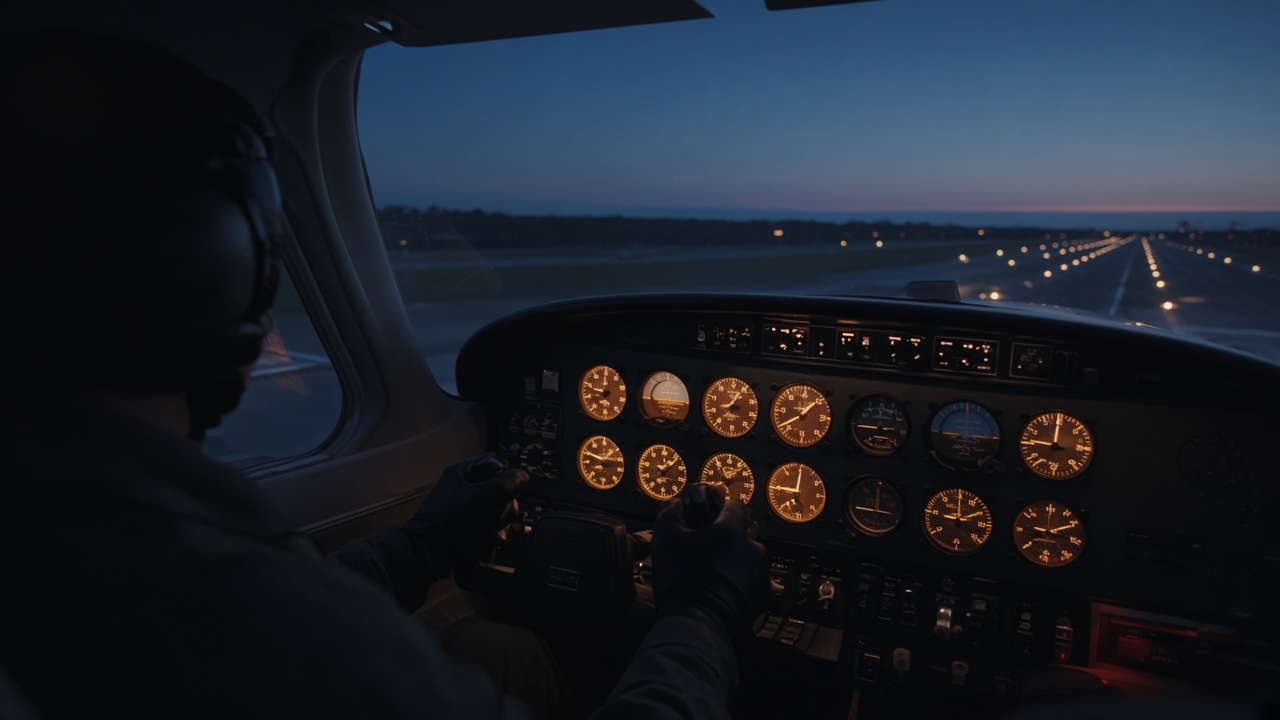
  8. A small aeroplane cockpit at dusk with glowing instruments, a pilot's gloved hands on the yoke and runway lights stretching ahead under a deep blue sky
    08 Night rating and instrument rating A night rating and an instrument rating are privileges added to a licence. Neither one is a licence, and neither one is included automatically in a basic private course. The hour figures depend on which rating, which authority, and what experience you already have.
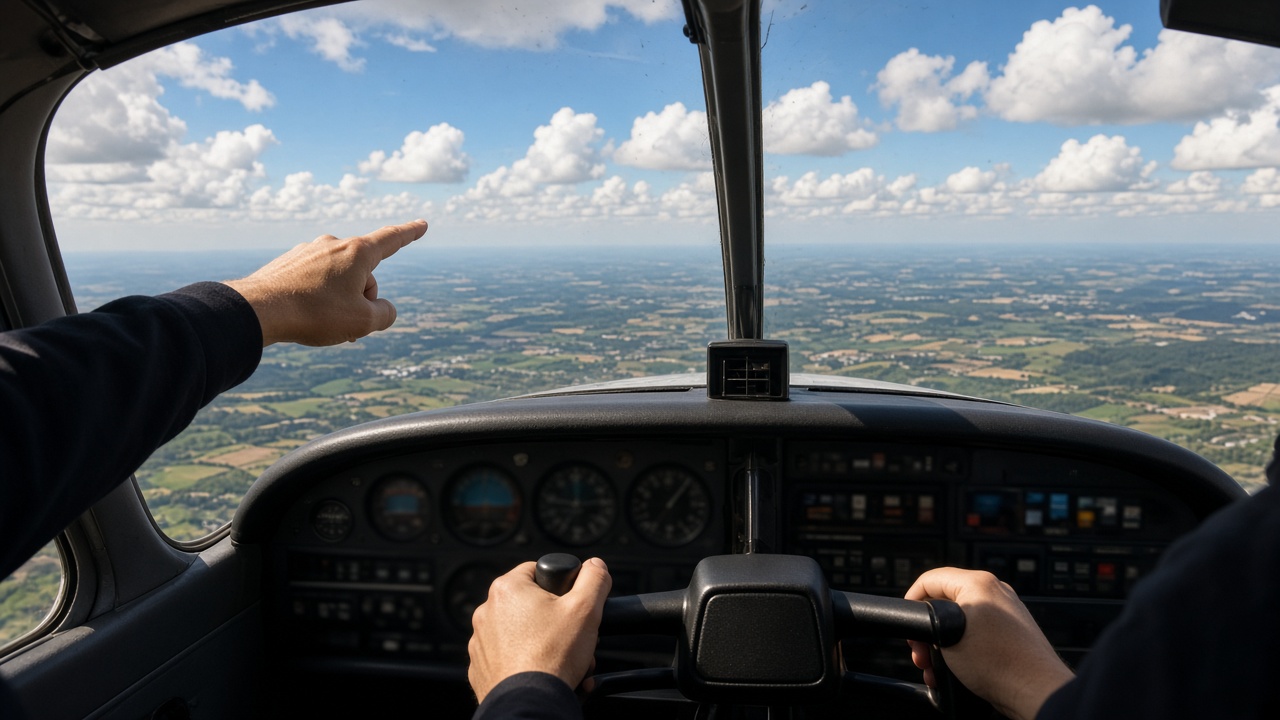
  9. View from a light aeroplane cockpit in flight as an instructor points ahead and a first-time flyer holds the controls, with farmland and clouds below
    09 Discovery flight: what to expect A discovery flight, also called a trial lesson or an air-experience flight, is an hour or so in a training aircraft with an instructor. It is a way to see if you like it. It is not a licence, a medical, or a promise that a later hour will be credited.
  10. An unbranded airliner at a gate at sunrise, with a turboprop and a helicopter on the apron behind it
    10 Pilot career paths A career in flying is not one job. Airline, cargo, instruction, corporate, and helicopter work share some training and then diverge. The licence category you start with, aeroplane or helicopter, is not something you swap later for free.
  11. A student pilot carrying a flight bag, seen from behind, walking between two white twin-engine training aeroplanes on an apron in early morning light
    11 Integrated and modular ATPL training Integrated training is one approved full-time course. Modular training is the same licences and ratings taken as separate blocks. Neither one issues the ATPL on the day you finish, and neither one has a price this site will invent.
  12. A hand wearing a wristwatch resting on the wing strut of a white light aeroplane parked on a grass airfield covered in autumn leaves
    12 How long it takes to become a pilot There is no regulation that says a pilot is trained in a fixed number of months. Minimum flight time is not a timetable. Weather, aircraft, money, and how often you fly decide the calendar.
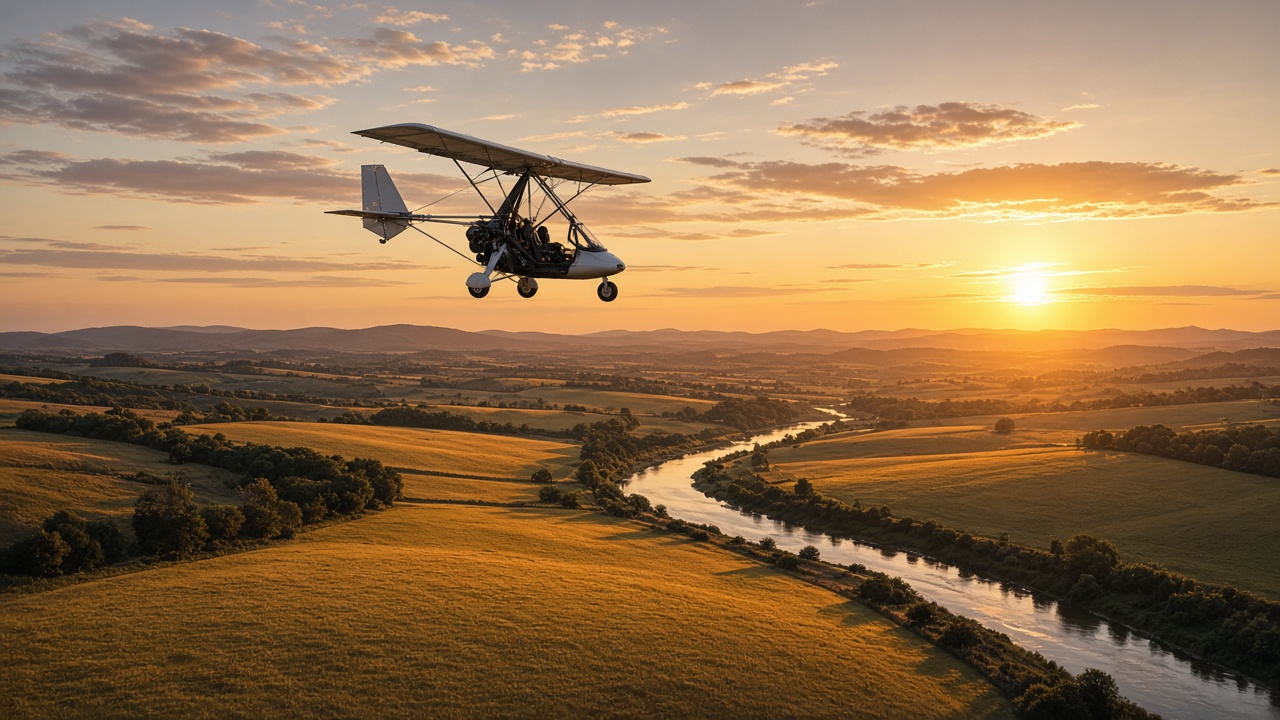
  13. A high-wing microlight flying over golden fields and a winding river at sunset
    13 Sport and microlight flying Microlight and light-sport flying is real flying in a lighter aircraft, under national rules that are not the same as an EASA or UK PPL. It can be the right first licence for that aircraft. It is the wrong course if the goal is an airliner.
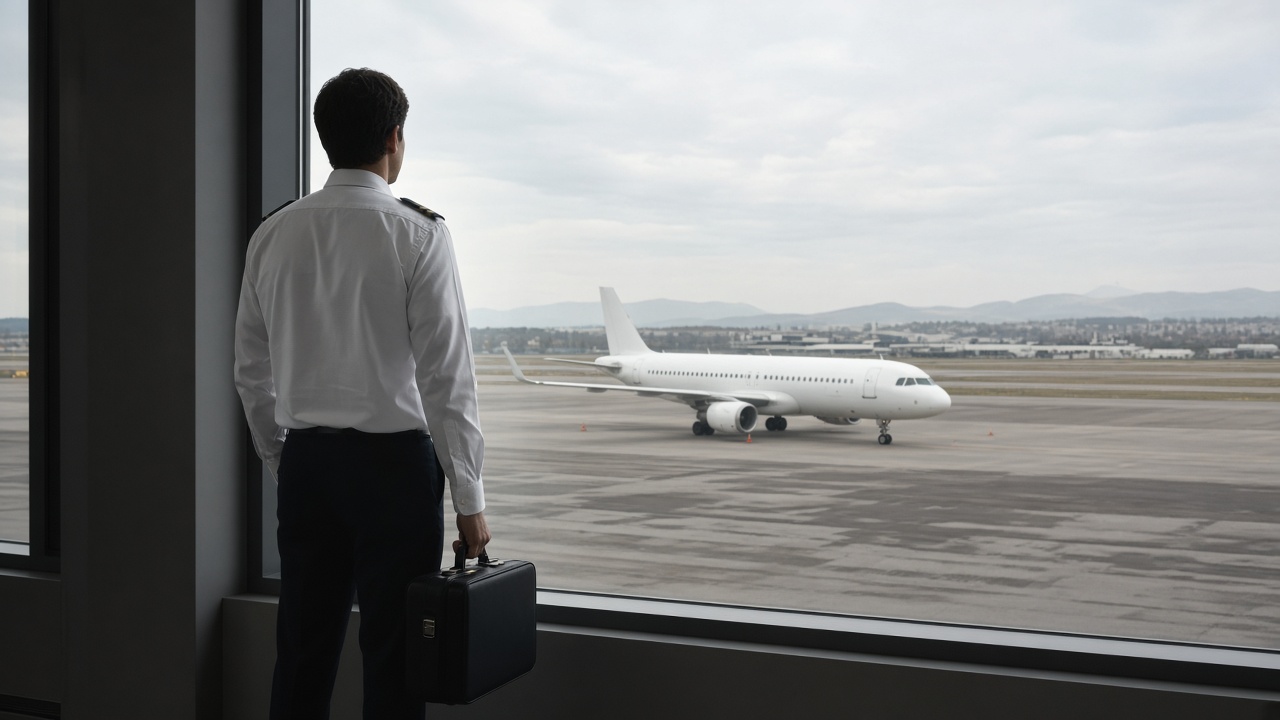
  14. A young pilot in a white shirt with epaulettes, seen from behind with a flight case, looking out of a terminal window at an unbranded airliner
    14 Finding your first flying job A licence is permission to fly. A job is an employer deciding to hire you. Airline hiring moves with the market. Instructor, survey, and freight work are common first paid seats, and none of them is guaranteed.
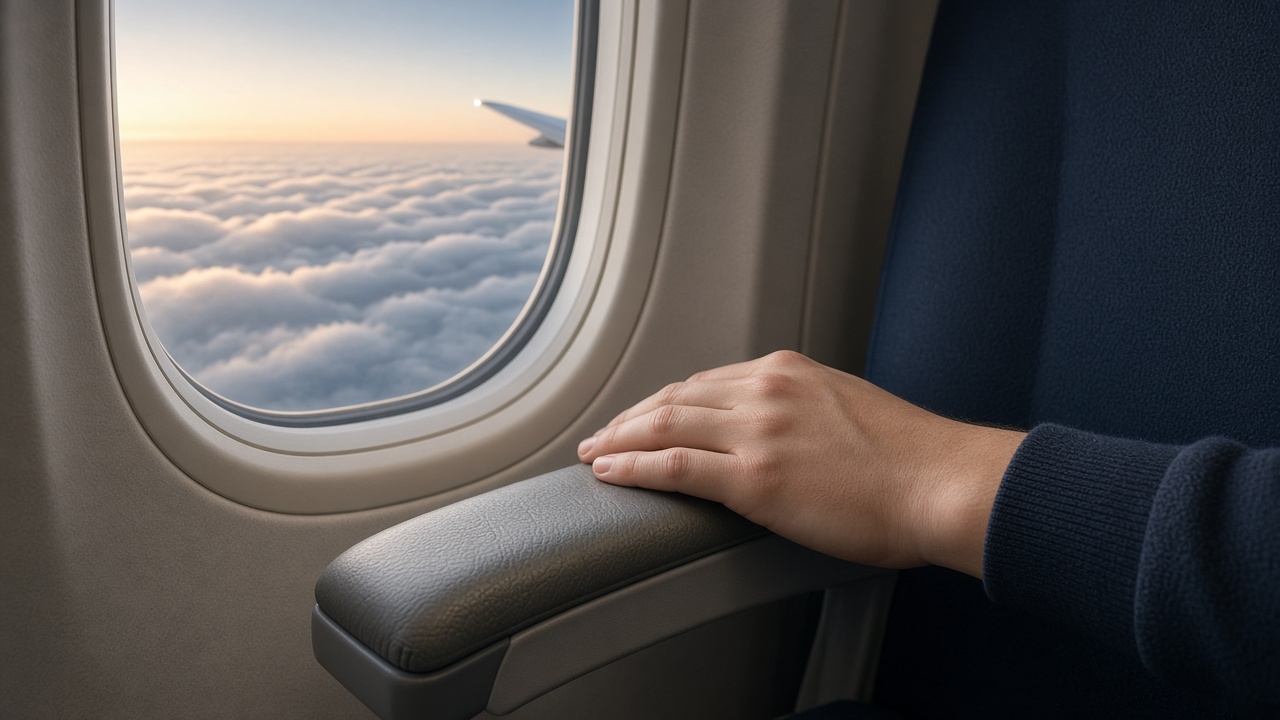
  15. A passenger's relaxed hand resting on a cabin armrest beside an airliner window showing a calm sea of clouds at sunrise
    15 Fear of flying, and how flights stay safe This page is for someone sitting in an airline seat, not for someone training to be a pilot. It describes the ordinary controls around a transport flight. It is not medical advice, and it does not pretend a fear will switch off because you read it.
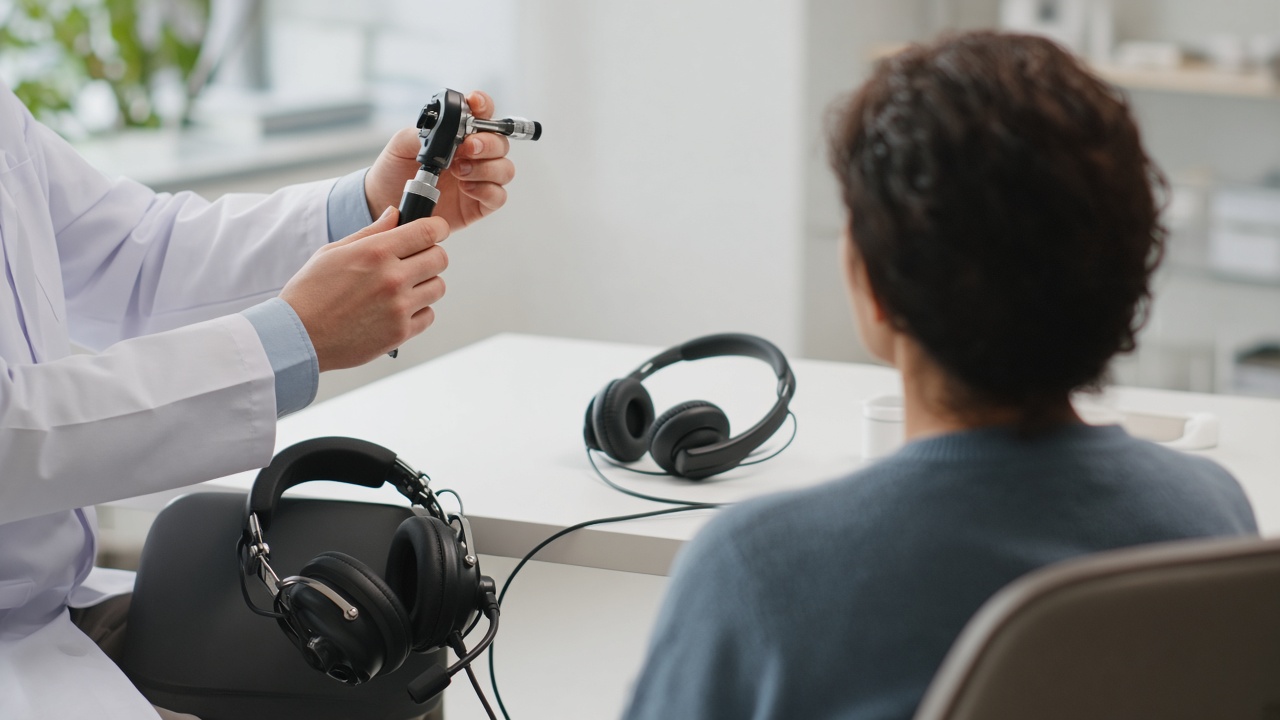
  16. A doctor holding an otoscope beside a patient seen from behind, with hearing-test headphones and an aviation headset in a bright examination room
    16 What a pilot medical check involves A pilot medical is an examination for a certificate, not a promise that you will pass and not a treatment. Class 1, Class 2, and the LAPL medical are different certificates. The tests on the day depend on the class, your history, and the rule in force.
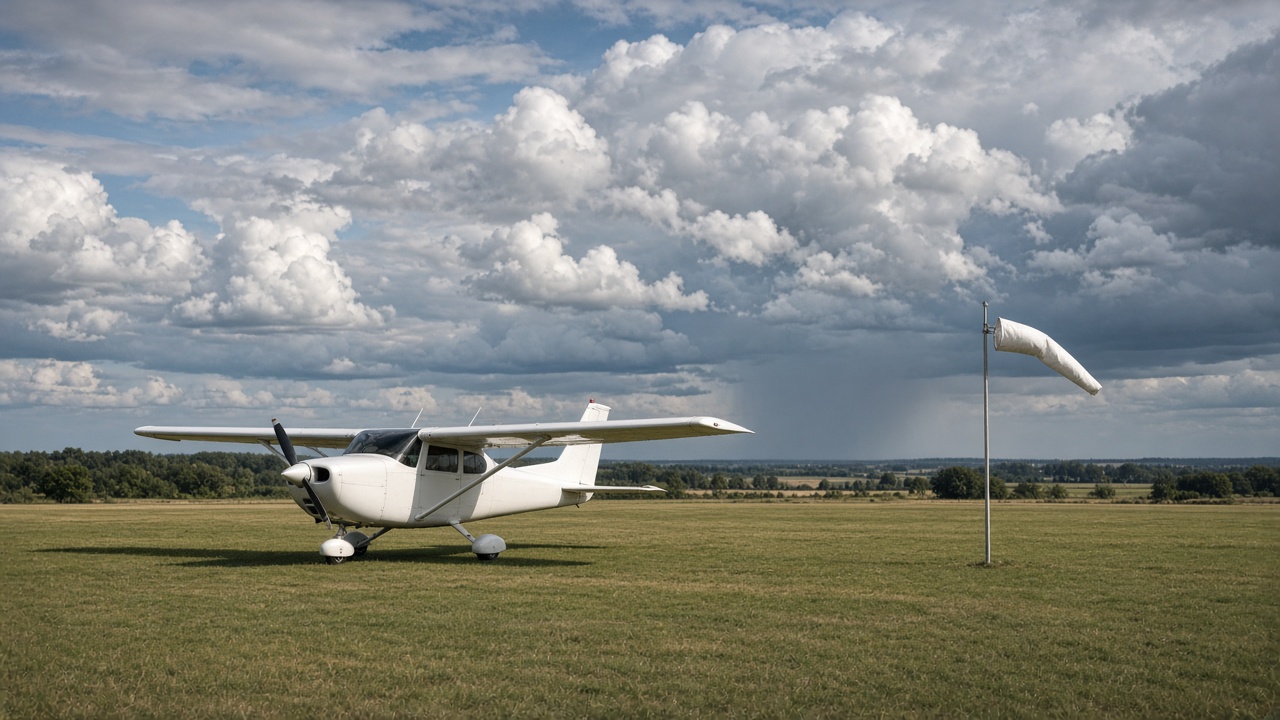
  17. A white training aeroplane parked on a grass airfield beside a windsock, with building cumulus clouds and a distant rain shower
    17 Weather basics for student pilots A METAR is a routine observation. A TAF is a forecast for a period. They are written in a compact code. This page shows the shape of that code with an invented example. It is not the weather, and it is not a briefing.
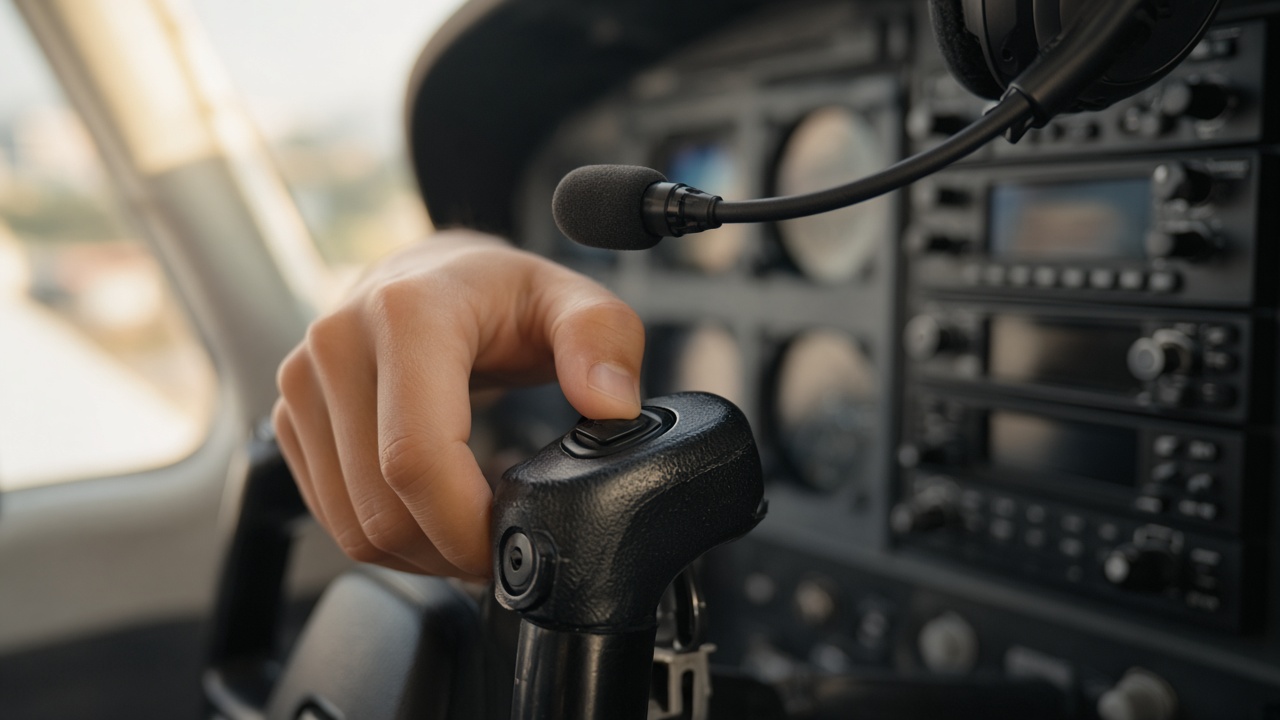
  18. Close-up of a pilot's thumb pressing the push-to-talk button on a light aeroplane's control yoke, with a headset microphone and radio stack behind
    18 Radiotelephony and English Radiotelephony is a small shared vocabulary so that pilots and controllers hear the same instruction. English is the usual language of international flights. A club frequency may use the local language. The exam and any language endorsement are state rules, not a vibe.